Everyone for Ten Minutes
 I just spent a lovely week at a health resort in Tecate, Mexico, with 50 or 60 other guests. One of the people I met early in the week was a recently first-time elected official I’ll call Serena. We bonded/commiserated over the privilege and challenge of public service and shared some of the high and low points in our political journeys.
At mealtimes, most people happily sit at tables of 6 or 8 people and try to get to know each other a bit. Most of the guests turn out to be wonderfully interesting and quite diverse – this time there was a retired woman cattle rancher; someone who offers workshops based on her near-death experience some years ago and her subsequent study of others who have come back from near death; amazing musicians; an anti-corruption attorney; a retired foreign service officer, and many more.
 When I revealed that I had been elected to public office and served for four years, or when Serena shared her job title, people were very interested, very concerned about the state of our democracy, and very appreciative of our having stepped up to run for office. But most were not at all engaged themselves, other than keeping up with the news. While it has been more than a decade since I was elected, and I have done many other things since then, this piece of my resume seemed of most interest. And I still feel the need and desire to continue advocating for greater civic engagement from everyone. My new friend and I probably said to someone at every single meal, or to the whole table if they were listening, that they should get involved, run for office, volunteer for a commission, or at least actively support good candidates, including after they get elected.
One of the activities at this resort was a workshop on improv which led to a performance by the six of us brave guests who stuck with it. The main rule of improv, I learned, is to say “yes and” instead of “no” when presented with a new or unexpected situation. Accept what is and figure out what to do about it. Saying “no” and rejecting reality doesn’t really get you anywhere. This is a good lesson for life as well as for improv.
 Another rule is to have each other’s back. If a scene is floundering, someone else can step in and support the storyline, or redirect it so it works. In public office, this is also essential. Most people only speak out when they’re unhappy about a situation. They write angry letters to the editor or post comments on social media or just gripe to their friends. That’s ok, but it’s also important to acknowledge what is going well. Let an elected official know that you appreciate their vote on that issue you care about. Write an op-ed supporting your local government when they fix a problem. If there is unfair criticism in a community paper or public social media site, chime in and set the record straight, or at least offer a different point of view.
Everyone has a voice, whether in elected office or not. Every citizen has a vote, which is another type of voice. And everyone spends money. Every time you express your opinion, you move the needle a bit. Every time you vote, you help shape government. And every time you buy something, you are endorsing the entity whose products or services you are procuring. Wouldn’t it be nice if we used our voices wisely, based on realistic expectations, knowledge of the opportunities and constraints around our issues, and supported responsible businesses that strengthen our communities? We have the power. Silence can be deadly.

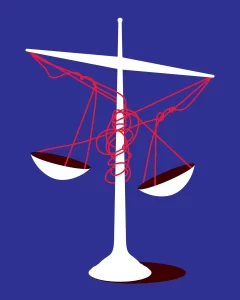
 In fact, if this website designer specialized in messaging that reflected her conservative evangelical “Christian” views, she would be an unlikely choice for a same-sex couple seeking a wedding website. And in fact, the case was basically made up. The plaintiff had not started her website business nor turned down any same-sex clients. Nobody was trying to force her to offer messages she disagreed with. All she would have been required to do, before this ruling, was to offer whatever business she was in to anyone who chose to hire her. So if she only offered websites strewn with messages about love between a man and a woman, and only had designs that showed heterosexual couples, no existing law would have required her to change her artistic offerings. Clearly the Supreme Court majority was just looking for an excuse to undo existing precedent about nondiscrimination in public accommodations. So sad, so unnecessary.
 I am glad to see challenges to abortion restrictions based on Jewish teachings, and I was amused when parents in Utah objected to the Bible being in school libraries because it contained lewd and violent content that violated restrictions intended to ban books with more progressive content. [That decision was quickly reversed after parent protests … hypocrisy is alive and thriving …]
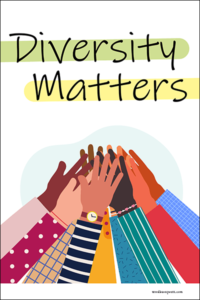 But all of this is a huge waste of time and money, to say nothing of the suffering of people who just want to live their lives, get an education, plan a wedding, and read books of their choice. We don’t live in a zero-sum game, despite many folks acting like we do. Helping those in need does not diminish the rest of us – it makes all of us better. Making books available that represent the diversity of our society helps everyone feel seen and respected. Parents still get to choose what books their young children check out, and they can choose whether or not to bring their children to a drag show.
 So I return to my main message, my perpetual message: we get the kind of government and the kind of society that we choose, either by our action or our inaction. If you think these issues are important, please get involved. Find out who’s on your local school board and work to elect those who support your values. Get involved in local, state, and national campaigns. Contact current elected officials, and work to get good people into office. We can change course. We can make reforms to the Supreme Court like term limits, and we can do better if we work together.